- Inclusive Education
- Uganda
Lost in translation in Karamoja - How we still need the human touch
Getting started - Identifying hurdles
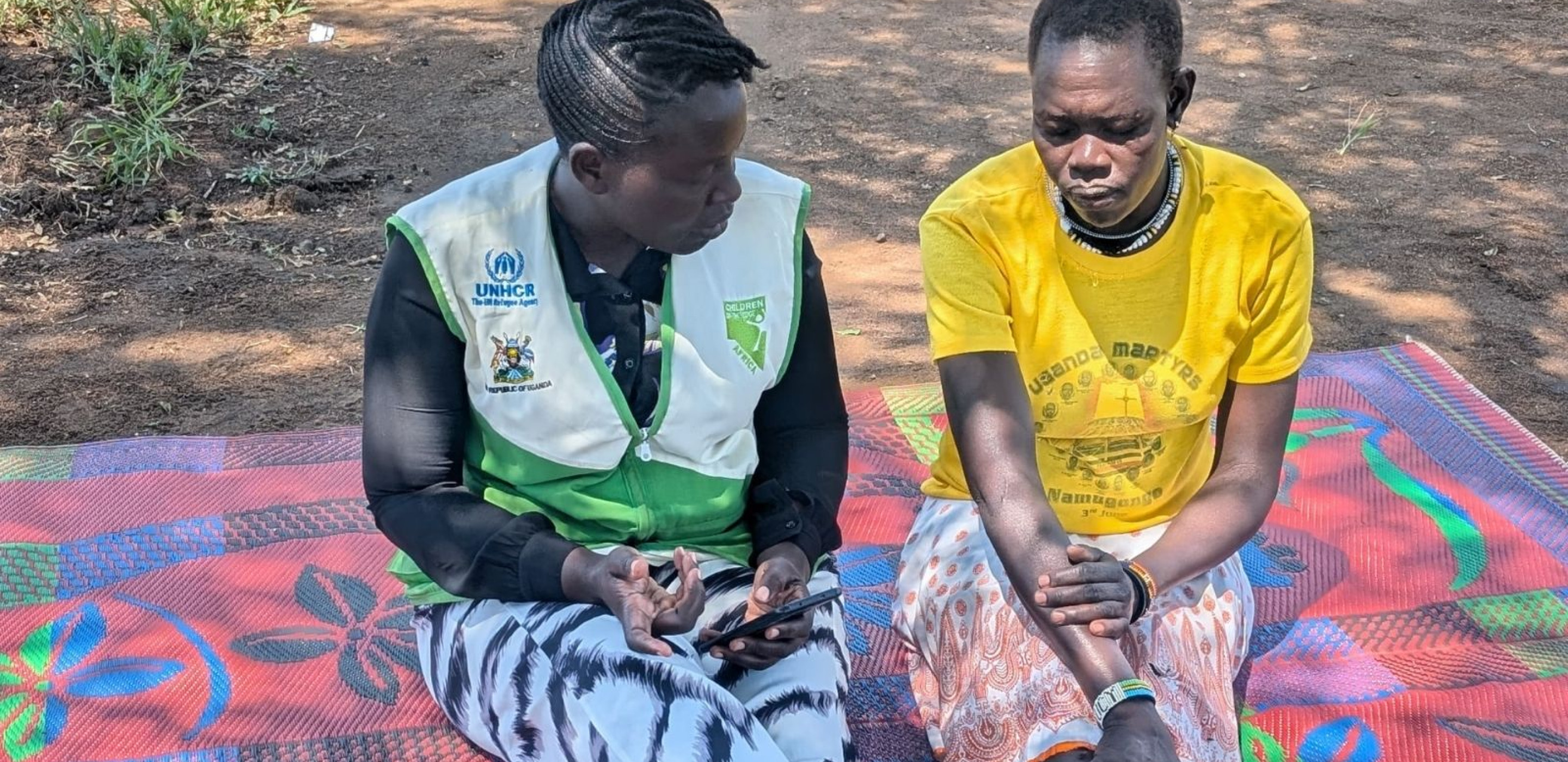
We held many training meetings with the local community to engage them and to listen to their thoughts and concerns. During the meetings, which were held in the local language, Ngakarimojong, it was found that the majority of the community could not read or write English (one of Uganda's official languages), but despite a generally low level of literacy, some members of the community could read and write Ngakarimojong.
It was also noted during the sessions that when the team used practical demonstrations to show the parents how local materials could be used as learning resources, they understood easily and were able to show their children, for example, using sticks for addition, subtraction and counting. This is very positive, as it should be easy for the parents to extend learning at home.
Bridging the Gap - Adapting for the local environment
After the meetings we had a team discussion and decided we needed to translate the workbooks and adapt the content for the local setting. The existing workbooks in Kyaka II are in English and Swahili, and are fantastic resources for teachers to plan classes. However, many community members in Karamoja had never been to school, so the workbooks were too complex and not all of the activities translated well for the Karamojong environment.