Projects, in full

Member projects written up the way a practitioner needs them: the goal, the objectives, what was actually delivered, who implemented it, and where to find the full report. Adapt anything here, that is what it is for.

Portfolio at a glance

8 projects documented in detail
8 focus regions and partner countries
Active evidence-based continental programmes
  • Kilifi County, Kenya
  • Fida International and Pamoja Change, in cooperation with Aalto University's humanitarian architecture programme.
  • Published

Play for All

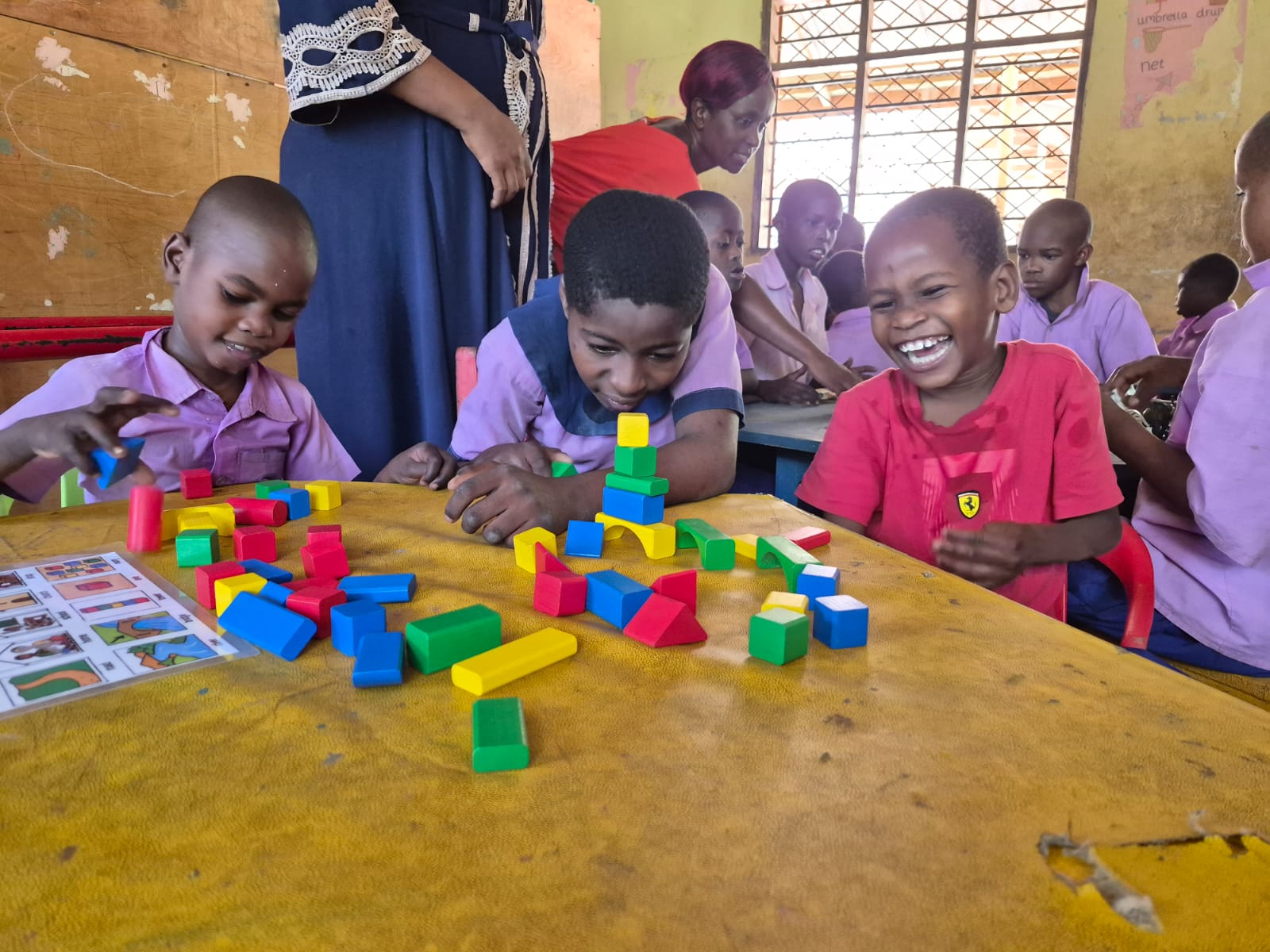
Play for All is an inclusive education initiative that seeks to create schools and communities where children with and without disabilities can learn, play and participate together.
Play for All
Location
Kilifi County, Kenya
Partner
Fida International and Pamoja Change, in cooperation with Aalto University's humanitarian architecture programme.
Status
Published

Project Overview


Play for All is an inclusive education initiative that seeks to create schools and communities where children with and without disabilities can learn, play and participate together.

The initiative combines teacher training, inclusive learning activities, community engagement and the development of accessible playgrounds. It addresses barriers that limit interaction between children with disabilities and their peers, including negative attitudes towards disability, limited collaboration between mainstream and special education teachers, and inadequate access to safe and inclusive play facilities.


Key Areas of Intervention


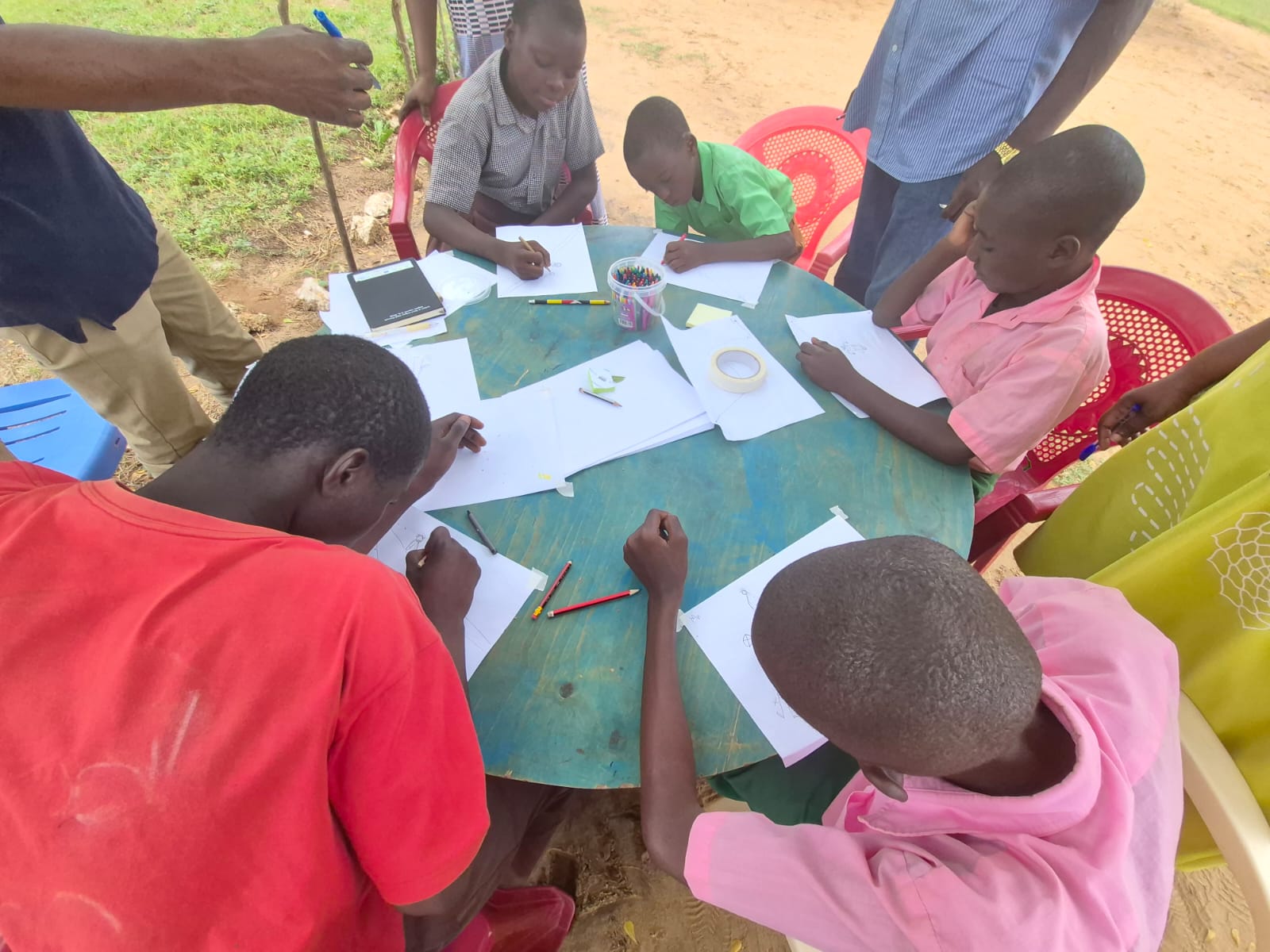
  • Teacher Training: Building teachers' capacity in disability awareness, inclusive teaching methods, positive attitudes and learning through play.
  • Inclusive Learning Activities: Promoting accessible games, creative activities and group exercises that enable children with different abilities to participate together.
  • Community Engagement: Involving school leaders, parents and community members in challenging negative attitudes and promoting the rights and abilities of children with disabilities.
  • Accessible Playground Development: Supporting the design of safe, affordable and accessible playground equipment that encourages movement, coordination, exploration and social interaction.
  • Knowledge Sharing: Developing practical guidance for schools and communities to construct inclusive playground equipment using locally available materials and techniques.


Expected Impact

Play for All aims to foster more inclusive school environments, strengthen cooperation between teachers and encourage positive relationships among children with and without disabilities. Through accessible play spaces and community participation, the initiative seeks to make inclusion a shared responsibility and expand opportunities for all children to learn, play and develop their abilities.


Current Development

In 2026, Fida International and Pamoja Change are collaborating with Aalto University's humanitarian architecture programme to develop an initial inclusive playground concept in consultation with local children, teachers, parents and community members. A practical handbook on constructing accessible playground equipment using locally available materials is expected by December 2026.


Our Approach

Play for All places inclusive play at the centre of learning and community participation, recognising that accessible environments and positive social relationships help every child participate and thrive.
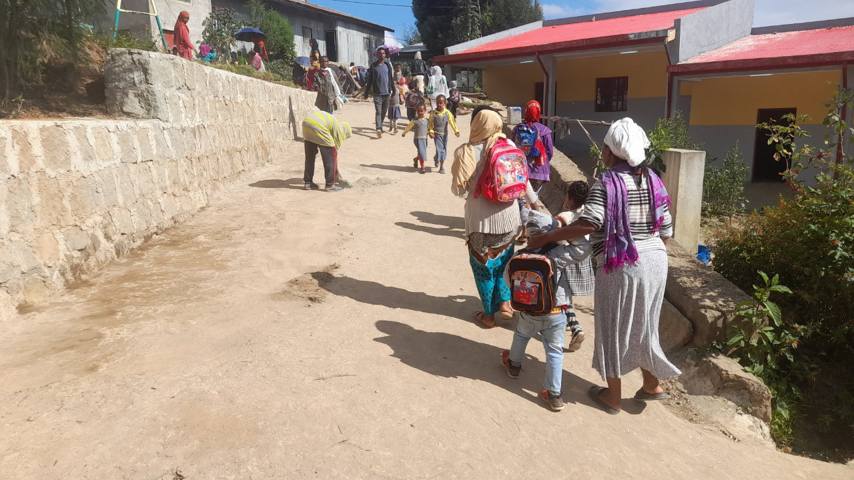
  • Kenya
  • Fida International and Pamoja Change
  • Published

Tunajali Inclusive Quality Education Kenya Programme

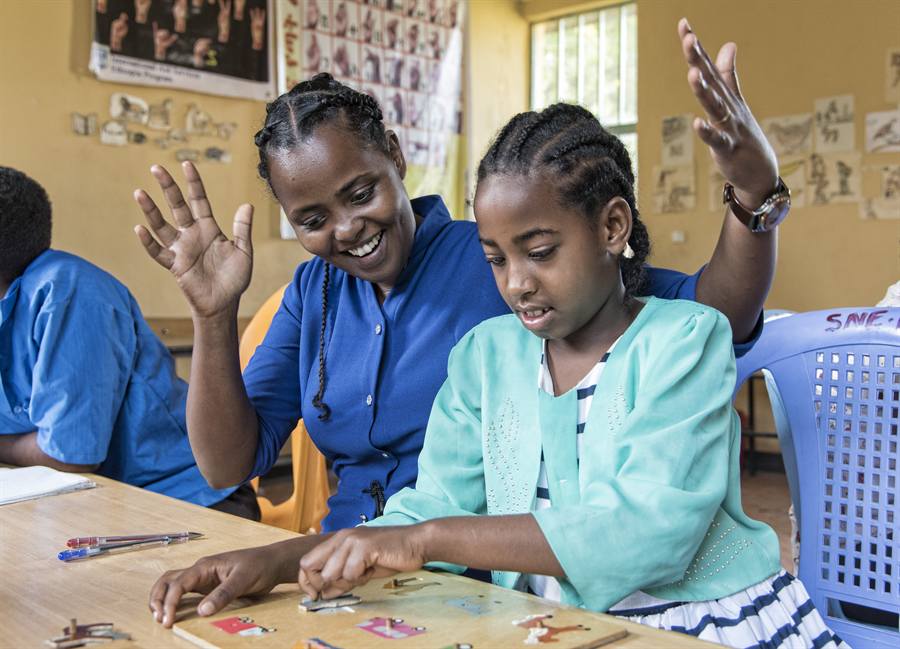
The Tunajali Inclusive Quality Education Kenya Programme promotes equitable and inclusive quality education that supports the emotional, social and psychosocial well-being of marginalised learners.

Tunajali Inclusive Quality Education Kenya Programme
Location
Kenya
Partner
Fida International and Pamoja Change
Status
Published

Project Overview


The Tunajali Inclusive Quality Education Kenya Programme promotes equitable and inclusive quality education that supports the emotional, social and psychosocial well-being of marginalised learners.


The programme works with government institutions, schools, families, communities and civil society partners to advance inclusive and gender-transformative education. It prioritises creating supportive learning environments where all children, particularly girls and children with disabilities, can access quality education, participate meaningfully and thrive.


Key Areas of Intervention

  • Community Empowerment: Strengthening awareness, positive attitudes and supportive behaviours towards inclusive education, while promoting children's rights and well-being.
  • Inclusive and Responsive Schools: Supporting teachers and school leaders to adopt inclusive teaching practices and establish safe, supportive learning environments.
  • Partnerships and Collaboration: Strengthening coordination among government authorities, civil society organisations, schools and community structures to improve planning and resource sharing.
  • Policy Influence and Advocacy: Promoting evidence-based advocacy, public awareness and stakeholder engagement to strengthen policy implementation, resource allocation and government commitment to inclusive education.

Expected Impact

The programme aims to strengthen inclusive education systems, improve learning environments and promote the meaningful participation of marginalised learners. It also seeks to empower women and girls with disabilities to participate in decision-making and contribute to more equitable and responsive education systems.


Our Approach

The programme recognises that sustainable educational change requires collaboration among communities, institutions and systems to ensure that every child has the opportunity to learn and develop.

  • Oromia Region, Ethiopia
  • LM International Ethiopia
  • Published

Increased Access to Inclusive Education Project

Expanding equitable access to quality education for children facing barriers to learning in Adama, Asela, Bishoftu, Modjo and Batu, by reducing stigma and gender-related barriers, strengthening inclusive and special needs education systems.

Increased Access to Inclusive Education Project
Location
Oromia Region, Ethiopia
Partner
LM International Ethiopia
Status
Published

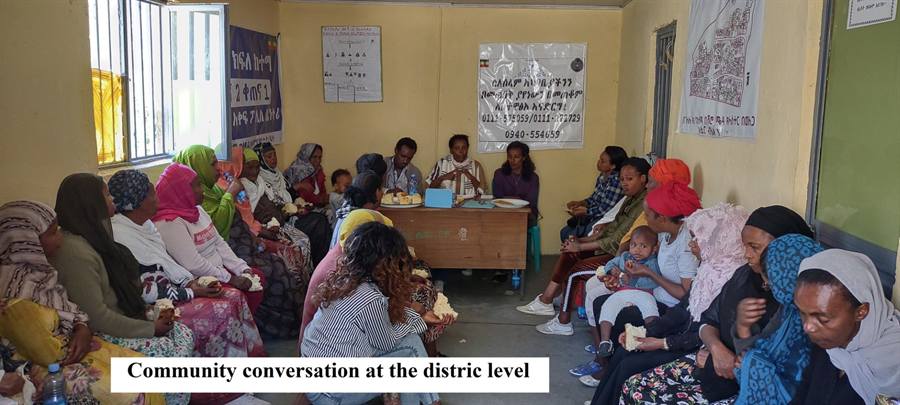
Through partnerships with government institutions, civil society organisations, schools, families and communities, the project combined teacher training, advocacy, awareness creation, child support services, accessible infrastructure, parent empowerment and community networks.

Five Inclusive Education Networks and 19 family networks were established, while IE/SNE clubs were created in 14 targeted schools to promote peer support, participation and disability inclusion.

  • Yeka Sub City, Addis Ababa, Ethiopia
  • LM Ethiopia
  • Published

Increased Access to Inclusive Education in Addis Ababa, Yeka Sub City

The rights of children facing barriers to learning are respected and promoted, and gender disparities in education are minimised, so that equal access to education is ensured in target areas.

Increased Access to Inclusive Education in Addis Ababa, Yeka Sub City
Location
Yeka Sub City, Addis Ababa, Ethiopia
Partner
LM Ethiopia
Status
Published

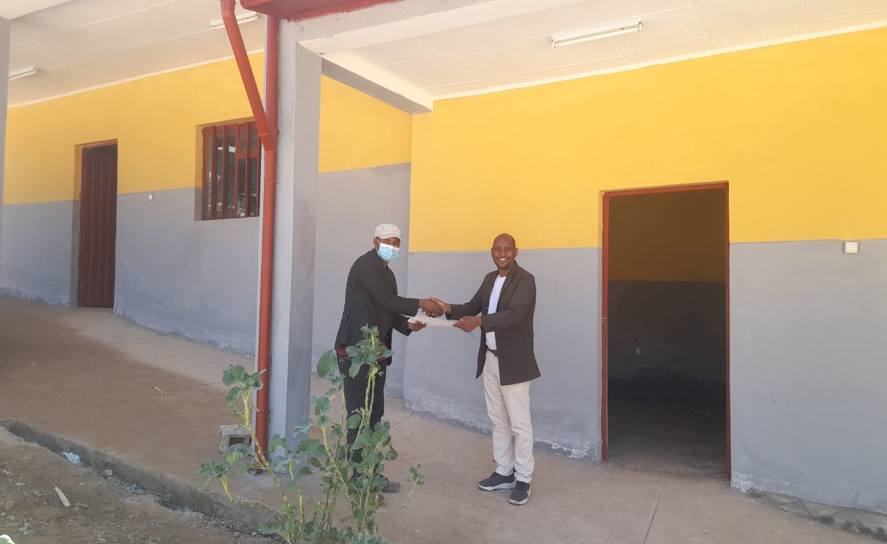
LM International has run inclusive education work in Ethiopia since 2007. Over time it has constructed more than ten standardised centres for children facing barriers to learning, and strengthened many Teacher Training Centres.

  • Somaliland and Puntland, Somalia
  • ADRA Somalia
  • Published

Sustainable & Equal Quality Educational Opportunities for Children with Disabilities

Improving access, retention and completion of primary education for children with disabilities in Somaliland and Puntland.

Sustainable & Equal Quality Educational Opportunities for Children with Disabilities
Location
Somaliland and Puntland, Somalia
Partner
ADRA Somalia
Status
Published

Focuses on teacher training, rehabilitation of school infrastructure to ensure physical accessibility, distribution of assistive devices, and community mobilisation campaigns to counter deep-rooted stigma surrounding disability.

  • Kenya and Uganda
  • eKitabu
  • Published

Scaling Digital Transformative Inclusive Education

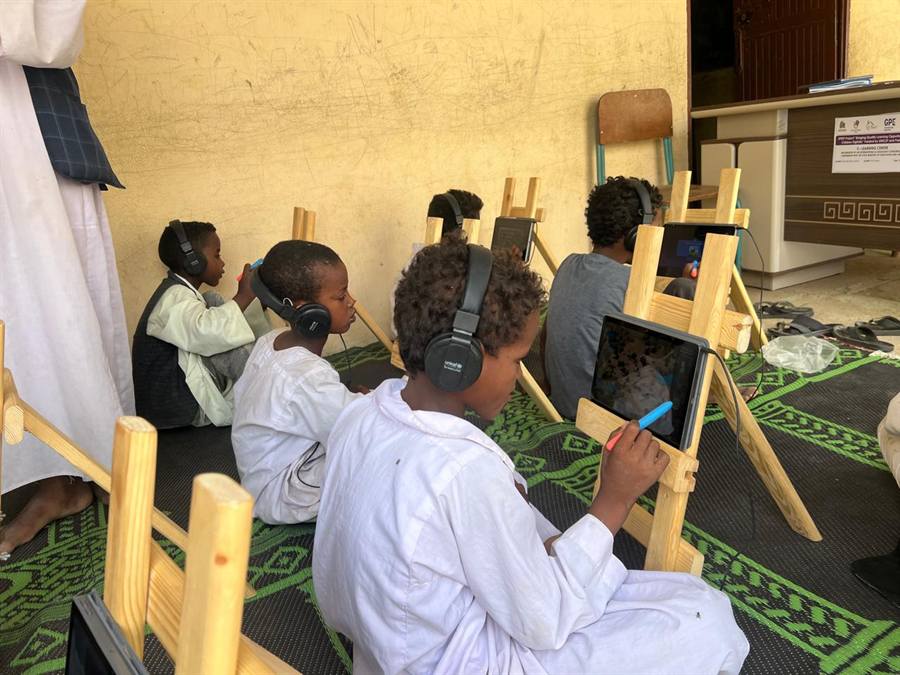
Leveraging accessible digital technology to enhance foundational literacy and numeracy for deaf and blind learners.

Scaling Digital Transformative Inclusive Education
Location
Kenya and Uganda
Partner
eKitabu
Status
Published

Delivers accessible digital storybooks in Kenyan and Ugandan Sign Languages, Braille readers, and audio materials with captions, accompanied by intensive teacher professional development.

  • Pader District, Northern Uganda
  • Leonard Cheshire Uganda
  • Published

Social & Economic Barrier Elimination for Children with Disabilities

Empowering families of children with disabilities through village savings associations, livelihoods support, and community advocacy.

Social & Economic Barrier Elimination for Children with Disabilities
Location
Pader District, Northern Uganda
Partner
Leonard Cheshire Uganda
Status
Published

Combining parent economic empowerment with school accessibility audits and local government dialogue to eliminate economic and physical hurdles to primary education.

  • Hargeisa, Somaliland
  • Ministry of Education Somaliland
  • Published

Enhancing & Improving Quality Education for Children with Special Needs

Strengthening the capacity of educational institutions to deliver inclusive education curriculum, assessment and resources.

Enhancing & Improving Quality Education for Children with Special Needs
Location
Hargeisa, Somaliland
Partner
Ministry of Education Somaliland
Status
Published

Establishing specialised resource centres, training teacher educators, and piloting disability screening tools in partnership with regional education directorates.

Share your programme evidence

Are you running or evaluating an inclusive education programme in Africa? Share your results framework, project brief or evaluation with the network.