
- Inclusive Education
- Zambia
Zambia Reflections on the South-to-South Learning Visit with India
From Implementation to System Transformation
Ten years ago, Zambia began adapting an approach to foundational learning that had first taken shape in India. The idea behind Teaching at the Right Level (TaRL) is disarmingly simple: group children by what they can actually do, not by their age or grade, and teach them from there. A decade on, the approach has grown into something the Zambian education system increasingly calls its own, and that journey recently drew a delegation from the place where it all began.
The India–Zambia South-to-South Learning Visit brought together several education sector actors. Delegates comprised representatives of Zambia’s Ministry of Education, TaRL Africa, Officials from two state governments in India, Pratham Education Foundation, Pratham International and VVOB, alongside partners including UNICEF, the Zambia National Education Coalition (ZANEC) and the Zambia Open Community Schools (ZOCS). On paper, it was a technical visit. In practice, it was a South-to-South exchange between two education systems that have shaped each other for years. India came carrying the lessons of the methodology’s origins and evolution. Zambia showed what happens when a borrowed idea is given time, adaptation and, crucially, systemic ownership.
One question kept surfacing during the classroom visits: why do we do what we do?
It sounds almost too simple to ask out loud. But it kept pulling everyone back to the purpose underneath the programme. Teaching at the Right Level was never only about delivering activities or ticking off a lesson sequence. It exists so that every child, whatever their age or grade, acquires the foundational skills they need in an accelerated manner.
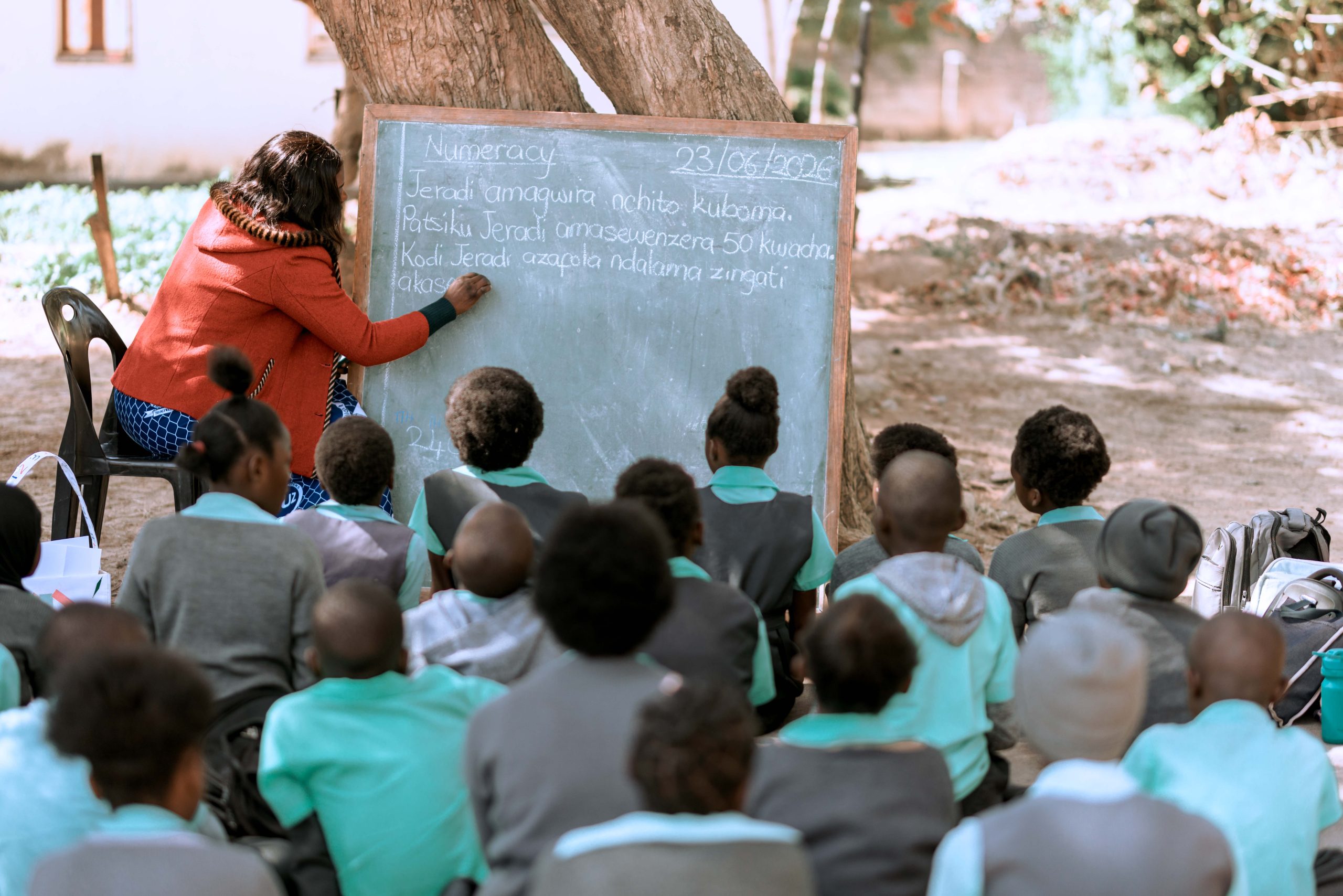
The classrooms offered encouraging evidence that this is happening. Watching learners at that stage, the levels stop looking like categories on an assessment sheet and start looking like what they really are: children on their way back into the mainstream classroom.